Tag Archives: awareness

April is the Month of the Military Child

April is the Month of the Military Child

In 1986 the Department of Defense deemed April as the Month of the Military Child. From deployments to frequent moves, military children face unique challenges that most youth their age do not experience. This annual awareness campaign recognizes the sacrifices made and applauds the courage of military children.

  • Military families relocate 10 times more often the civilian families; on average, every two or three years
  • Since 2001, more than 2 million American children have had a parent deployed at least once.
  • More than 900,000 children have experienced the deployment of one or both parents multiple times.
  • Children in military families experience high rates of mental health, trauma, and related problems. About 30% reported feeling sad or hopeless almost everyday for 2 weeks during the past 12 months. Nearly 1 in 4 reported having considered suicide.
  • 37% of children with a deployed parent reported that they seriously worry about what could happen to their deployed caretaker.

Autism Awareness Month

Autism Awareness Month

The importance of recognizing Autism throughout the month of April is to help better educate and raise awareness to the public. Autism is a complex mental condition and developmental disability, characterized by difficulties in the way a person communicates and interacts with other people. Autism can be present from birth or form during early childhood, typically within the first three years. Autism is a lifelong developmental disability with no single known cause.

People with autism are also known as having Autism Spectrum Disorder (ASD) both terms are often used interchangeably. People with ASD have a set of symptoms unique to themselves; no two people are the same. ASD affects people in different ways, and can range from very mild to severe. Although some symptoms are similar, such as challenges with social interaction, there are differences in when the symptoms start, how severe they are, and the exact nature of the symptoms.

If you are looking for a way to get involved, donate for just want to learn more information about Autism you can visit the websites of some great organizations such as Autism Speaks, Autism Society and the National Autism Association.

World Autism Awareness Day: Light It Up Blue

Light It Up Blue - World Autosm Awareness Day

Every April 2, Autism Speaks celebrates World Autism Awareness Day with a global autism awareness campaign called Light It Up Blue. It’s easy (and fun!) to be a part of it — you can do anything from wearing blue to lighting your whole office or school up blue.

Add your name to say you’ll be a part of it, and we’ll be in touch with resources and ideas to get your friends involved. Thanks for helping shine a light on autism.

World Autism Awareness Day - Light It Up Blue

What Is Autism?
Autism spectrum disorder (ASD) and autism are both general terms for a group of complex disorders of brain development. These disorders are characterized, in varying degrees, by difficulties in social interaction, verbal and nonverbal communication and repetitive behaviors. With the May 2013 publication of the DSM-5 diagnostic manual, all autism disorders were merged into one umbrella diagnosis of ASD. Previously, they were recognized as distinct subtypes, including autistic disorder, childhood disintegrative disorder, pervasive developmental disorder-not otherwise specified (PDD-NOS) and Asperger syndrome.

ASD can be associated with intellectual disability, difficulties in motor coordination and attention and physical health issues such as sleep and gastrointestinal disturbances. Some persons with ASD excel in visual skills, music, math and art.

Autism appears to have its roots in very early brain development. However, the most obvious signs of autism and symptoms of autism tend to emerge between 2 and 3 years of age. Autism Speaks continues to fund research on effective methods for earlier diagnosis, as early intervention with proven behavioral therapies can improve outcomes. Increasing autism awareness is a key aspect of this work and one in which our families and volunteers play an invaluable role.

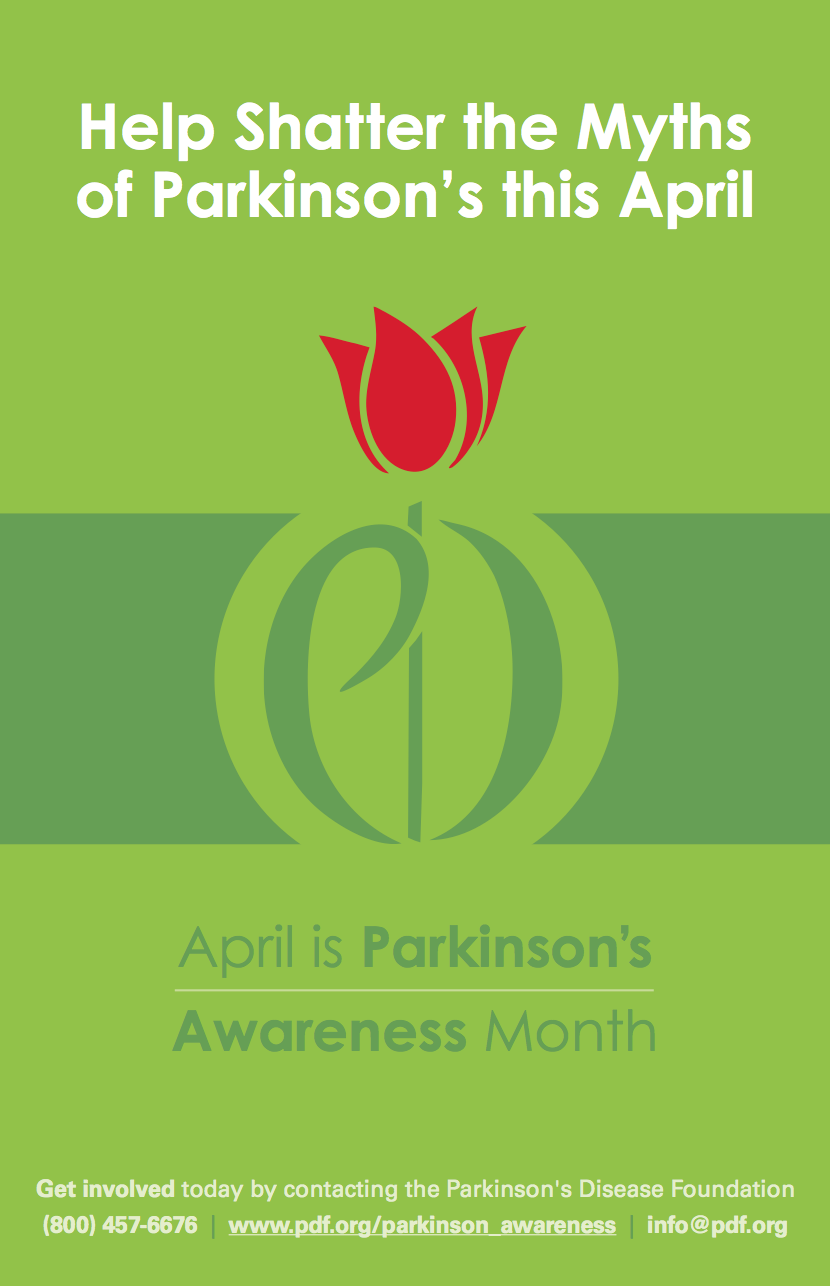
Parkinson’s Awareness

Parkinson's Awareness

Parkinson’s disease is a movement disorder that is chronic and progressive, meaning that symptoms continue and worsen over time.

As many as one million individuals in the US live with Parkinson’s disease. While approximately four percent of people with Parkinson’s are diagnosed before the age of 50, incidence increases with age.

Its major symptoms vary from person to person, but can include tremor, slowness of movements, limb stiffness, and difficulties with gait and balance. The cause of the disease is unknown, and although there is presently no cure, there are treatment options such as medication and surgery to manage the symptoms.

Spring Rust Treatment

Owning any type of vehicle means that you have to commit to regular service and maintenance to keep it in good condition. Owning a wheelchair van and adaptive equipment is no different – you still need regular service to keep everything operating the way it should. However, it comes with some additional caveats – you can’t just go to any service center and ensure that you’re maintaining your wheelchair van or mobility equipment correctly.

Here at our Mobility Center, not only do we understand the importance of maintaining your mobility vehicle and adaptive equipment, but we take the needed steps to ensure that everything is always in top condition. No other mobility dealer offers the level of maintenance offered by us.

Rust Maintenance
Vehicles today are subject to rust and corrosion due to moisture, humidity, tons of road salt and other airborne pollutants that can cause rapid deterioration of your wheelchair van. If neglected, the damages can make your mobility investment of little value.  The thousands of yearly miles, environments and exposure to the elements of larger vehicles means they are a lot more likely to suffer from the effects of corrosion. Correct rust proofing on a regular basis can ensure that your vehicle does not suffer from corrosion related vehicle downtime and keep your van from falling apart.

** We highly recommend that everyone gets their wheelchair accessible vehicles rust proofed at least twice a year. Once in Spring and again in the Fall. **

If you consider that new vehicles undergo thousands of spot welds and numerous bends and folds during assembly; this process damages the automobile coating systems, exposing these panels to corrosion. Besides body-panel damage, certain mechanical parts are also at risk – suspension mounts, hood-locking mechanisms, door hinges, brake cables – which are all susceptible to the damaging effects of rust on your wheelchair van.

To protect your vehicle against corrosion our rust proofing formula does more than just cover the metal required. A rust proofing product must be applied as a high-pressured spray, ensuring protection to your vehicle’s most critical areas by penetrating, displacing existing moisture and protecting the many vulnerable crevices of your automobile.

Benefits of rust treatment
Prevention is better than a cure. There are a number of products that can offer prevention against rust. Products are available either as oils, waxes, fluids and coatings.  The range is vast. Our rust prevention processes, products, plan and application have been found to be very effective and developed over more than 25 years and still remain affordable.

We are the only mobility dealer in New England to offer this service.

Our rust proofing processes is ever evolving and has been for more than 25 years.