Tag Archives: awareness

Multiple Sclerosis Awareness

Multiple Sclerosis Awareness Week is March 3-9, 2014.
Multiple sclerosis destroys connections. So it’s only fitting that connections would be its greatest enemy. As individuals who care about someone affected by MS, the connections we create can become more powerful than the connections MS destroys.
Share your connections here

MS is a Disease of the Immune System

MS is a disease that involves an immune system attack against the central nervous system (brain, spinal cord, and optic nerves). The disease is thought to be triggered in a genetically susceptible individual by a combination of one or more environmental factors. Although MS is thought by some scientists to be an autoimmune disease, others disagree strongly because the specific target of the immune attack in MS has not yet been identified. For this reason, MS is referred to as an immune-mediated disease.

As part of the immune attack on the central nervous system, myelin (the fatty substance that surrounds and protects the nerve fibers in the central nervous system) is damaged, as well as the nerve fibers themselves. The damaged myelin forms scar tissue (sclerosis), which gives the disease its name. When any part of the myelin sheath or nerve fiber is damaged or destroyed, nerve impulses traveling to and from the brain and spinal cord are distorted or interrupted, producing the variety of symptoms that can occur.

Most people with MS learn to cope with the disease and continue to lead satisfying, productive lives.

The Four Courses of MS
People with MS can typically experience one of four disease courses, each of which might be mild, moderate, or severe.

  • Relapsing-Remitting MS
    People with this type of MS experience clearly defined attacks of worsening neurologic function. These attacks—which are called relapses, flare-ups, or exacerbations —are followed by partial or complete recovery periods (remissions), during which no disease progression occurs. Approximately 85% of people are initially diagnosed with relapsing-remitting MS.
  • Primary-Progressive MS
    This disease course is characterized by slowly worsening neurologic function from the beginning—with no distinct relapses or remissions. The rate of progression may vary over time, with occasional plateaus and temporary minor improvements. Approximately 10% of people are diagnosed with primary-progressive MS.
  • Secondary-Progressive MS
    Following an initial period of relapsing-remitting MS, many people develop a secondary-progressive disease course in which the disease worsens more steadily, with or without occasional flare-ups, minor recoveries (remissions), or plateaus. Before the disease-modifying medications became available, approximately 50% of people with relapsing-remitting MS developed this form of the disease within 10 years. Long-term data are not yet available to determine if treatment significantly delays this transition.
  • Progressive-Relapsing MS
    In this relatively rare course of MS (5%), people experience steadily worsening disease from the beginning, but with clear attacks of worsening neurologic function along the way. They may or may not experience some recovery following these relapses, but the disease continues to progress without remissions.
Winter-Maintenance Tips for Your Wheelchair Van

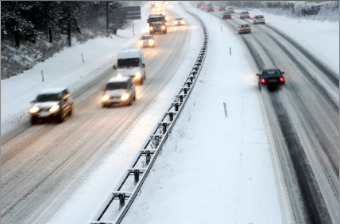
Winter Driving
Maintain Your Mobility Equipment

We recommend keeping the bottom door track of your handicapped van clear of any debris by vacuuming out the track every 2 or 3 weeks. Debris in the bottom track will cause the door motor to work harder and even weaken or burn out prematurely. Such problems will only be more of an inconvenience in cold weather.

Check Your Brakes
Make sure your brakes are in good working condition. You should never postpone having brake work done because you never know when you might have to drive on snowy or icy roads.

Check Your Lights
Headlights are essential in snowy weather; not only do they help you see clearly, but they also help others see you. So you make sure your lights are clean and that all bulbs and fuses are working properly.

Remember Your Fluids
We advise having all fluids (including brake fluid, antifreeze, washer fluid, transmission fluid, power-steering fluid, etc.) checked and “topped off.” In addition, we also recommend that you consider keeping a half tank of gas in your accessible vehicle at all times–you don’t want to run out of gas in an emergency.

Don’t Forget Your Battery
Having your battery checked is especially crucial for handicapped accessible vans. The cold weather is strenuous on any battery but even more so on an accessible van’s battery. An accessible van has to power ramps, lifts, and doors, so it uses more battery power than other minivans. A common problem we see at our Mobility Center is customers who do not drive their accessible van enough to keep the battery charged and healthy. You can keep the battery charged by driving your vehicle more than 3 hours a week or by using a battery charger. Under normal conditions, batteries will typically last for 3½ years, so if your battery is older than that, we recommend that you make sure that it’s in good condition or think about replacing it.

Good Tire Maintenance Is Crucial
Good tires might be one of the most essential driving tools in winter weather. Worn, bald, badly aligned, or badly balanced tires can cause accidents in any type of slippery weather. You’ll need to test the air pressure and tread on your tires and have your tires rotated so that the better ones are in the front for more traction and control. If you need new tires soon, don’t wait, get them now! If you have snow tires and live in areas with heavy and frequent snowfall, don’t hesitate to use them.

Don’t Forget Your Windshield
Taking care of the windshield on your wheelchair van entails more than having good wipers. Windshields on minivans and full-sized vans are large, so having good wipers and properly functioning rear and front defrosters are musts. Also, small dings in a windshield can become large cracks when it’s cold. Cracks are a result of the stress of having freezing temperatures on the outside of the windshield and the warm heater on the interior of the windshield. If this occurs, fix the ding and avoid the risk of replacing a costly van-sized windshield!

Snow Equipment
If you ever get stuck or break down in snow or other inclement winter weather, having the appropriate equipment to get yourself out of your vehicle is important. We recommend keeping a shovel, sidewalk salt, snow scraper/brush, jumper cables, spare tire, jack, and flares in your vehicle during the winter months. Also, if you live in an area with frequent and/or heavy snowfall, keep tire chains in your vehicle for extra traction.

Emergency Kit
Another recommendation is keeping a snow emergency kit in your car. Your emergency kit should include a cell phone, a cell-phone car charger, a blanket, a flashlight with good batteries, hand warmers, snacks, and water. Your kit should be able to keep you relatively comfortable while waiting in your vehicle for assistance to arrive. Please remember, if you’re waiting in your vehicle for assistance, make sure your exhaust pipe is clear of any snow or ice so carbon monoxide won’t enter the vehicle.

Lastly, we always recommend that, if you can, you stay in when the road conditions are bad. However, if you need to venture out, here are some precautions to remember when driving in bad weather:

Clear All Snow Off Your Vehicle
Make sure that you clear all of the snow and ice off of your vehicle before you go anywhere. Ice and snow clumps that aren’t cleared off can be very dangerous because they can suddenly shift and obstruct your view or fly off your vehicle into another driver’s view. Allow yourself extra time before venturing out to take the steps needed to clear all of the snow off your accessible vehicle—even if it includes asking a friend or neighbor for assistance.

Slow Down
Reducing your speed by 50% allows more control over your vehicle in the event that you begin to skid or hydroplane. However, slowing down too much or stopping on heavy snow-filled roads can cause a vehicle’s tires to spin and get stuck in the snow. While driving in snow, you should keep some momentum so that your tires are continuously moving and you don’t lose traction.

Recovering From a Skid
If you’re driving in inclement weather and your vehicle starts to skid, the best thing to do is to steer in the direction you want the front of the vehicle to go—and not hit your brakes. Your normal reaction might be to brake, but that can make the wheels lock up, making steering difficult. Driving in the snow can be dangerous, so if you aren’t comfortable, try to avoid the roads in severe weather.

Rust Prevention
Prevention is better than a cure. There are a number of products that can offer prevention against rust. Products are available either as oils, waxes, fluids and coatings.  The range is vast, but our rust prevention processes, product, plan and application has been found to be most effective. Our rust proofing is ever evolving and has been for over the past 25 years.

  • Our rust proofing formula does more than just cover the metal required, we apply it as a high-pressured spray, ensuring protection to your handicap accessible vehicle’s most critical areas by penetrating, displacing existing moisture and protecting the many vulnerable crevices of your automobile.


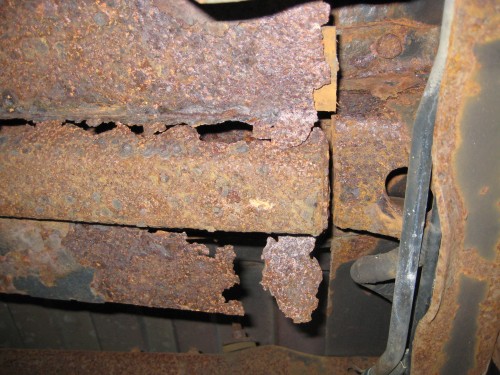
As seen in the picture below this van has heavy rust and metal fatigue due to a lack of maintenance.
IMG_0697Once the rust is this bad there’s not much we can do other than replace the van.

So call us or come in today to rust proof your van before it’s too late.

Freedom Fest 2014

Freedon Fest 2014Freedom Fest 2014 is an outdoor concert on August 09, 2014 in Fort Kent, Maine to raise funds to build a Veterans Museum & community center in Northern Maine.  A joint project of Martin-Klein American Legion Post 133 and the Fort Kent Historical Society, more information is available at www.IamtheAmericanFlag.com

Contact Information
Duane Belanger – Martin-Klein American Legion
Email: commander@americanlegionpost133.org
Chad Pelletier – President of Fort Kent Historical Society
Email: fkhistory1@yahoo.com


Headliner
Thomas Ian Nicholas
Thosmas Ian Nicholas - Freedom FestActor, Singer and Songwriter: Most famous for Henry Rowengartner in Rookie of the Year

and Kevin Myers in the American Pie film series


Their Vision
To build a Veterans Museum & community center in Northern Maine to showcase and appreciate the sacrifices provided on our behalf so that our children and future generations will understand the true cost of freedom.  The Center shall be a living, breathing kiosk of history providing a dynamic educational opportunity for all those in the community!

FREEDOM-FEST 2014
Make a Donation — http://www.iamtheamericanflag.com/donate/

Pass on the Ribbon & Help Spread Rett Syndrome Awareness

Rett Syndrome Awareness Month

Rett syndrome is a rare, severe, “girls only” form of autism. It’s usually discovered in the first two years of life, and a child’s diagnosis with Rett syndrome can feel overwhelming. Although there’s no cure, early identification and treatment may help girls and families who are affected by Rett syndrome.

Who Gets Rett Syndrome?
Rett syndrome is an autism spectrum disorder that affects girls almost exclusively. It’s rare — only about one in 10,000 to 15,000 girls will develop the condition.

In most cases of Rett syndrome, a child develops normally in early life. Between 6 and 18 months of age, though, changes in the normal patterns of mental and social development begin.


What Are the Symptoms of Rett Syndrome?
Although it’s not always detected, a slowing of head growth is one of the first events in Rett syndrome. Loss of muscle tone is also an initial symptom. Soon, the child loses any purposeful use of her hands. Instead, she habitually wrings or rubs her hands together.

Around 1 to 4 years of age, social and language skills deteriorate in a girl with Rett syndrome. She stops talking and develops extreme social anxiety and withdrawal or disinterest in other people.

Rett syndrome also causes problems with muscles and coordination. Walking becomes awkward as girls develop a jerky, stiff-legged gait. A girl with Rett syndrome may also have uncoordinated breathing and seizures.


What Causes Rett Syndrome?
Most children with Rett syndrome have a mutation in a particular gene on the X chromosome. Exactly what this gene does, or how its mutation leads to Rett syndrome, isn’t clear. It’s believed that the single gene may influence many other genes involved in development.

Although Rett syndrome seems to be genetic, the faulty gene is almost never inherited from the parents. Rather, it’s a chance mutation that happens in the girl’s own DNA. No Rett syndrome risk factors have been identified, other than being female. There is no known method for preventing Rett syndrome.

When boys develop the Rett syndrome mutation, they die shortly after birth. Because boys have only one X chromosome (instead of the two girls have), the disease is more serious, and quickly fatal.


How Is Rett Syndrome Diagnosed?
A diagnosis of Rett syndrome is based on a girl’s pattern of symptoms and behavior. The diagnosis can be made on these observations alone. Discussions between a doctor and a girl’s parents will help determine important details, such as when symptoms started.
Genetic testing can help confirm the diagnosis in 80% of girls with suspected Rett syndrome. It’s possible that genetic testing can help predict severity.


Treatments for Rett Syndrome
There are treatments available for Rett syndrome that focus on helping a girl live the best life she can with the condition. Physical therapy can help improve mobility; speech therapy may help somewhat with language problems; and occupational therapy helps girls perform daily activities — like bathing and dressing — independently.

Experts believe that therapy can help girls with Rett syndrome and their parents. Although a “normal” life may not be possible, some improvement can be expected with therapy. Participating in activities — including school — and improved social interaction are sometimes possible.

Medicines can treat some of the problems with movement in Rett syndrome. Medication can also help control seizures. Unfortunately, there is no cure for Rett syndrome.


What to Expect With Rett Syndrome
Many girls with Rett syndrome can be expected to live at least into middle age. Researchers are still following women with the disease, which was only widely recognized in the past 20 years.

Symptoms of Rett syndrome don’t usually improve over time. It is a lifelong condition. Often, there is a very slow worsening of symptoms, or symptoms remain stable. Girls and women with Rett syndrome will rarely be able to live independently.

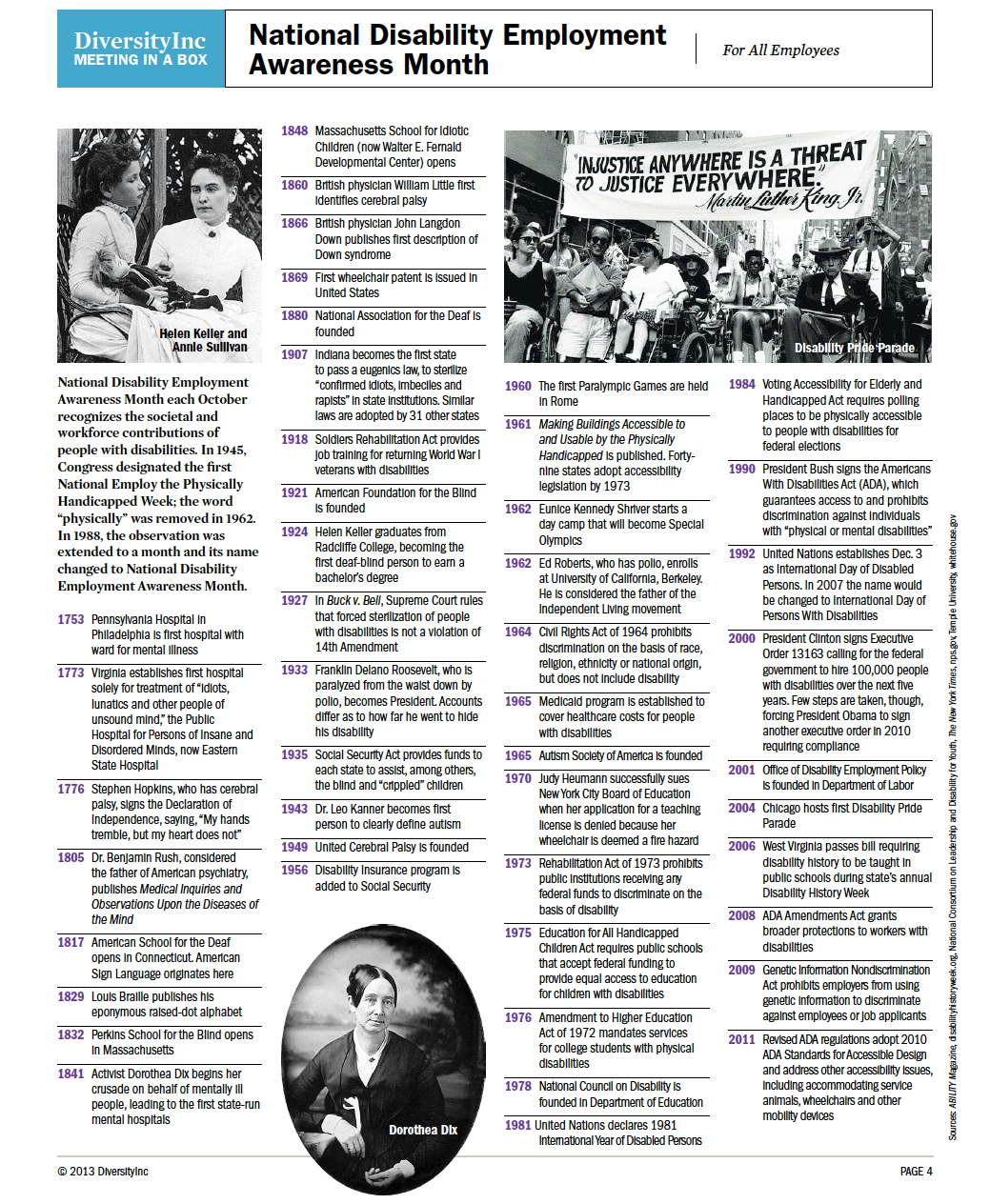
National Disability Employment Awareness Timeline

National Disability Employment Awareness Month TimelineThis year’s theme is “Because We are EQUAL to the Task.” This theme mirrors the reality that people with disabilities have the talent, education, desire, training, and experience to be successful in the workplace.