Tag Archives: independence

Connecticut Commercial Wheelchair Vans

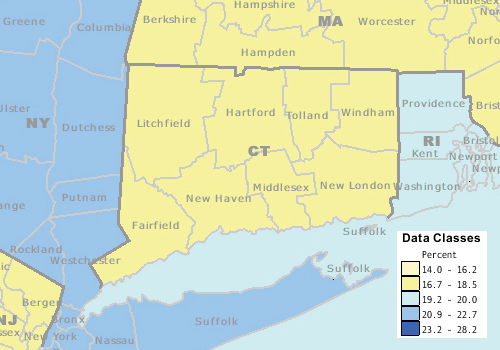
According to the 2005 American Community Study by the Center for Personal Assistance Services, approximately 408,000 individuals living in Connecticut are considered to be disabled in some manner. Specifically, about 2.3% of the population of Connecticut have difficulty with every day tasks such as taking a bath, getting dressed, moving about the house, and driving.

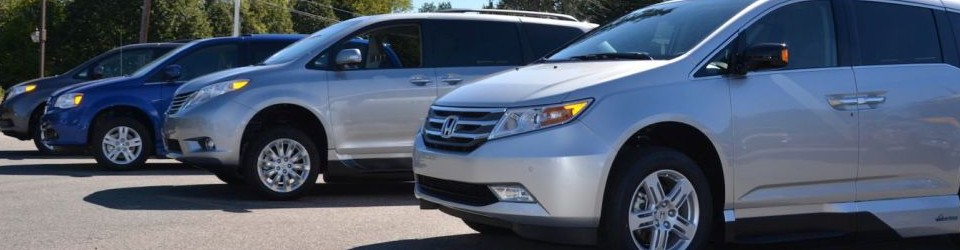
connecticut commercial and personal wheelchair vans newenglandwheelchairvan.com

At the VMi New England Mobility Center, we offer specialized transportation products and services for private and commercial use. For more than 25 years we have been servicing the commercial and personal wheelchair vehicle needs of the state of Connecticut including the Greater Hartford, Greater Bridgeport, Greater New Haven, Torrington, and surrounding counties.

If your business needs a new or used van, bus, shuttle or other commercial accessible vehicle in Connecticut, give us a call to find the vehicle that suits your requirements. Contact us for any of your commercial wheelchair vehicles, used vans and buses, modifications and upfit needs

We can help you evaluate how many passengers you need to carry, Connecticut State regulatory requirements and other commercial considerations when buying a wheelchair van, replacement parts or accessories in Connecticut.

After VMi New England Mobility Center helps you locate the perfect commercial wheelchair van, bus, shuttle, or ambulette, we deliver! We can deliver it right to your door. We will drive, tow or trailer your wheelchair accessible vehicle to Connecticut, right to your business. We often make deliveries to Fairfield County, New Haven County, Hartford County, Tolland County, Middlesex County, and Litchfield County, so contact us today for your commercial mobility needs.

Learn more about delivery information for Connecticut wheelchair vans and parts and our commercial warranty.

We look forward to helping your business provide exceptional service to your wheelchair users, school students, group homes, and rehab centers in the great state of Connecticut.

toyota sienna rampvan wheelchair & scooter accessible van

The Toyota Sienna wheelchair and scooter accessible van offers accessibility and convenience in a sporty, streamlined package. The bold, new attitude of this popular vehicle is a refreshing take on the traditional van.

boston toyota wheelchair vans newenglandwheelchairvan.com

The one touch power entry and exit system includes a power sliding side door, a power ramp, and a power auto-kneel system to reduce ramp angle and make the van easier to enter and exit for wheelchair or scooter users. The Toyota Sienna wheelchair van also features easily removable front seats to allow a wheelchair user to drive the vehicle (when properly equipped with hand controls) or to ride in the front passenger position.

The lightweight aluminum ramp extends to allow easy access to the interior for wheelchairs and scooters. A durable, non-skid powder-coated finish ensures superior traction. In the event of power failure, the ramp can be operated manually.

To make boarding even easier, most of our vans feature an integrated “kneeling” system. An actuator lowers the rear suspension while the door opens, which reduces the slope of the auto ramp.

Ramp van Standard Features

Auto Door The original door operator opens the sliding door at the touch of a button. The door can be operated with the standard remote control, or with one of the several interior control switches.

Auto Kneel The Rampvan features a “kneeling” system to make entering and exiting your vehicle even easier. An actuator lowers the rear suspension while the door opens, which reduces the slope of the automatic ramp.

Auto Ramp The lightweight ramp is offered in both In floor and Foldout versions, and offers unparalleled ease of access for wheelchair and scooter users. In the event of power failure, both the door and ramp can easily be operated manually.

Lowered Floor Up to 14.75″ lower than conventional minivans, the Ramp van’s floor is lowered from the firewall to the rear axle. With a choice of three securement positions, wheelchair users can enjoy the ride — and the view — from their chair

Removable Seating Both the driver and passenger seat can easily be removed for those who wish to ride up front or drive. By simply unlocking the seat base from the vehicle, the entire assembly can be rolled out of the vehicle via the ramp and reinstalled just as easily when needed.

The Ramp van combines sophisticated engineering with a combination of style, class, interior space and superior quality. At the heart of the Ramp van is the Toyota Sienna minivan chassis. Each Ramp van features a lowered floor to provide generous head room for wheelchair or scooter users. An integrated power sliding door and ramp enable full access to the vehicle. By offering conversions with both fold-out or in-floor ramps, we ensure that each customer gets the right conversion for his or her needs.

mobility van markets new england and beyond

VMi New England Mobility Center customers have come to us from all over the United States, from New England to Tennessee, Michigan to the District of Columbia. Our Bridgewater facility offers a unmatched capability to sell, service allow us to supply accessible commercial vehicles and personal-use wheelchair vans to clients throughout the area.

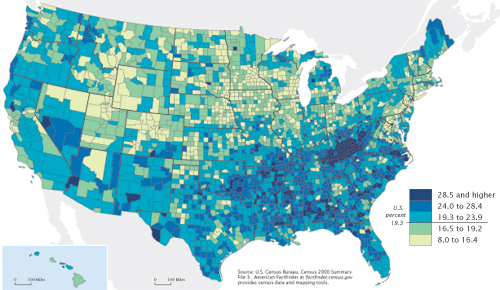
us census disability by state

Personal Conversion Wheelchair Vans

Our Bridgewater Mobility Center offers full service and sales to individuals throughout all of New England

Commercial Accessible Vans, Buses and Shuttles

We often sell, service, and deliver vehicles to the following areas:

States

Are you outside of any of these locations and still interested in a VMi New England Mobility Center conversion van or mobility product? Contact our expert sales staff, as we may still be able to assist you in finding the perfect commercial wheelchair van or accessible personal-use modification.

It’s all about choices

It’s all about choices wheelchair vans newenglandwheelchairvan.com

The theme of the website revolves around choice and making a knowledgeable decision. The site has reviews on manual rigid frame models, folding wheelchairs and power chairs. They even have a section on all-terrain wheelchairs and sports wheelchairs. Just about every type of mobility device is represented. One of the more popular wheelchairs in the rigid frame section is the Ti Lite ZRA with 42 user postings. Overall, they have a 3.76 end user rating. Among the highest rated rigid frames with a 5.0 rating, but with only 10 user reviews is the Lasher Sport, Llc BT-Mg.

To see what people are saying about your wheelchair or one that you may be looking at getting in the future, go to wheelchair reviews.

Scooter Reviews for Three and Four Wheeled Models

The website also has reviews and ratings for scooters. These include 3-wheel scooters, 4-wheel scooters, and lightweight scooters. Among the top reviewed in the lightweights is the Pride Mobility Go Go. To see the scooters listed and which one sounds like the right fit for your needs, go to scooter reviews.

About United Spinal

United Spinal was founded in 1946 by a group of paralyzed WWII veterans in New York City who advocated for greater civil rights and independence for themselves and their fellow veterans. Today, United Spinal is the largest non-profit organization dedicated to helping people living with spinal cord injuries and disorders (SCI/D). Its 35,000 members are of all ages and backgrounds and membership is free.

Other Resources

Other online websites for learning about different wheelchair makes and models include Spin Life and Disabled World. Getting as many opinions as you can from friends and support groups is highly suggested to find the right chair to meet your needs and personal preferences. Making a knowledgeable decision by doing a little research online may save you time and money.

adaptive mobility equipment financing options

Adaptive equipment describes an installed device, in addition to a structural modification, that is necessary for a person with a permanent physical disability to drive or be transported in a vehicle.
adaptive mobility equipment financing options wheelchair vans newenglandwheelchairvan.com

Some equipment not thought of as typical adaptive equipment, or equipment which is not available from the factory, that serves a need to operate or ride in a vehicle for persons with disabilities such as but not limited to: assist handles, keyless entry, keyless ignition switch, lumbar support, headrest adjustment, pedal extensions power seats, remote liftgate opener, running boards, seat belt extenders, seat modifications, and special mirrors may be eligible for reimbursement and require additional documentation. You will be notified if additional documentation is needed such as a letter or prescription clearly describing the permanent physical disability requiring this equipment, prepared by a licensed or certified medical professional.

Factory installed options such as air conditioning, running boards, lumbar seats and power windows are not considered eligible under the terms of the program.

Driving is a privilege for people stroke survivors with limited mobility; it provides a sense of stability in their lives so they can regain their independence. They love the flexibility their adaptive mobility equipment provides, but they often face exorbitant costs when it comes to financing the purchase of the equipment.

“The number one reason people with disabilities don’t have access to adequate transportation is because they cannot afford it.” The good news is that funding assistance to purchase adaptive equipment is becoming increasingly available.

Sources of funding determine a person’s “buying power.” Unlike the financing options provided by original equipment manufacturers, Mobility Equipment Dealers, such as Vmi New England Mobility Center, have access to financing options specifically for adaptive equipment purchases; they offer options and solutions for the customer.

Veterans

The Department of Veterans Affairs (VA) offers grants enabling 100% service related disabled veterans to purchase a new or used modified vehicle and adaptive equipment. Automobile grants are available once in the service member’s lifetime and adaptive equipment grants are available for special equipment that may used more than once.  For more information, call 1-800-827-1000 or read the VA’s “Automobile and Special Adaptive Equipment Grants” fact sheet.

State Programs

  • State Vocational Rehabilitation (Voc Rehab) Agencies may be able to assist with the costs associated with purchasing an adaptive vehicle (or adding adaptive equipment to an existing one) if the vehicle is necessary in order for a person to get to and from work.
  • State Assistive Technology Loan Programs may also be able to provide assistance to help pay for modifications to the vehicle.
  • Center for Independent Living (CIL) can provide additional information on programs that may be available in your state.

Government Programs

  • Medicaid: Medicaid is a jointly administered federal and state program that helps with medical costs for some people with limited income and resources. Medicaid benefits differ by state and are approved on a case-by-case basis when a request for funding is presented through a prior approval.
  • Medicare: Medicare is a federal program and in some instances they will pay for adaptive equipment following a specialty evaluation performed by a qualified practitioner. For more information, call 1-800-633-4227.
  • Supplemental Security Income (SSI): SSI offers a Plan to Achieve Self-Support program, or PASS, which helps those with disabilities pay for items or services needed to achieve a specific employment goal – to ultimately return to work.
  • Internal Revenue Service (IRS): Often sales-tax exemptions on equipment purchases and other out-of-pocket costs can qualify for tax deductions as medical expenses. Contact a tax adviser or get literature from the IRS that outlines the tax code for medical equipment by calling 1-800-829-1040 and asking for publications with extensions 3966, 907 and 502.

Workman’s Compensation:

Your insurance or workman’s compensation policies may also pay for vehicle adaptation. Check with your HR department or workman’s comp. organization for more information.

Fundraisers, Charitable Organizations/Churches

These may not be for everyone, but they can be effective and many people have successfully raised the money to pay for a wheelchair accessible vehicle and adaptive equipment using these options.

Automakers Rebate Programs

Many automobile makers are providing people with disabilities a wide range of rebates and incentive programs to cover adaptive equipment installation. Below is an overview of some programs offering rebates or reimbursements for adaptive mobility equipment.

  • Ford Motor Company: The Ford Mobility Motoring adaptive equipment reimbursement offers up to $1,000 off for a vehicle modification. You may also qualify for up to $200 for alert hearing devices, lumbar support, or running boards installed on any new Ford or Lincoln vehicle purchased or leased from a U.S. Ford or Lincoln dealer during the program period.
  • Daimler Chrysler Corporation: Once you have a 2010-2013 Chrysler, Jeep, Dodge, Ram or FIAT vehicle that fits your transportation needs, contact a reputable and qualified adaptive equipment installer to ensure that it can be adapted to meet your needs.
  • General Motors Company Reimbursement Program:  New vehicle purchasers/lessees who install eligible adaptive mobility equipment on their new Chevrolet, Buick or GMC vehicles can receive up to a $1,000 reimbursement for the cost of the equipment.
  • Toyota: The Toyota Mobility Assistance Program provides cash reimbursement of up to $1,000 of the cost of any aftermarket adaptive equipment or conversion, for drivers and/or passengers, when installed on any eligible purchased or leased new Toyota vehicle within 12 months of vehicle purchase or lease.

The decision to purchase adaptive mobility equipment stems from a need for mobility freedom for people with disabilities, including stroke survivors. The purchase process begins with selecting a reputable dealer to provide the adaptive equipment and installation, locating options to finance the purchase, and ends with insuring the adaptive equipment.

Make sure the after-market mobility modifications are professionally installed by a NMEDA mobility dealer. Once the adaptive mobility equipment is financed and installed, notify your insurance agent with a full disclosure of all adaptive mobility equipment installed in the vehicle.

Make sure your auto insurance company provides coverage for the conversion and adaptive equipment. Make sure you request coverage for “special” equipment, not just “handicapped” equipment.

  • “Handicapped equipment” covers only basic equipment such as the ramp or lift, not the lowered floor, kneeling system, lockdown system or other adaptive equipment.
  • “Special equipment” covers the conversion in its entirety. Be sure and send your insurance company an itemized list of every modification (which you can get from the mobility dealership that performed the conversion).

VMi New England Mobility Center is an advocate for mobility and accessibility for drivers with disabilities. If you need help with converting or buying a wheelchair accessible car, truck or van, please contact us at 508-697-6006  info@newenglandwheelchairvan.com